
Am I Too Old for Dental Implants?

Reviewed by Dr. Reza A. Tafreshi, DDSCA Dental License #101339
Practising dentist in Aliso Viejo, CA. DDS, Loma Linda University.
Medically reviewed · 3 minute read
"Am I too old for this?" is one of the most common questions patients in their seventies and eighties ask about implants. Research on implants in older adults reports outcomes comparable to younger patients. Chronological age, by itself, is not a contraindication. What decides it is a short list of specific, checkable factors, most of which can be managed or worked around.
Why age alone is not the deciding factor
Osseointegration — the process where bone fuses to the titanium post — continues to work in healthy older adults. Bone remodels throughout life. The only firm age-related restriction runs the other way: implants are delayed in young patients whose jaws are still growing. There is no upper cut-off.
The four factors that actually matter
Bone volume. Teeth missing for many years mean the ridge has had time to resorb. A cone-beam scan measures how much bone remains. Where volume is short, grafting, narrower implants or angled placement can often solve it.
Medications. Some matter a great deal — antiresorptive drugs for osteoporosis in particular, which is why the AAOMS position paper on medication-related osteonecrosis of the jaw exists and why this is a conversation with your physician rather than a yes/no on a form. Blood thinners, immunosuppressants and steroids all affect planning without necessarily preventing treatment.
Systemic health. Well-controlled diabetes and managed cardiovascular disease are generally compatible with implant treatment. Uncontrolled disease is the problem, not the diagnosis itself.
Gum health and remaining teeth. Untreated periodontal disease raises implant risk at any age and is dealt with first.
Why implants can matter more later in life
There is a case that older adults benefit most. Long-term denture wearers know the compromises: restricted diets, adhesives, and a lower plate that moves with every bite — and as the ridge continues to resorb, those problems worsen. Even two implants supporting an implant overdenture can change a loose lower denture into a stable one.
Chewing efficiency is not a cosmetic concern at seventy-five. It shapes diet quality, and we have written separately about how that plays out in what people actually eat.
What screening actually involves
A detailed health history — conditions, medications, past healing — which is the single most informative step. Cone-beam imaging to map bone height, width and density and locate nerves and sinuses. An oral examination of gum health and any remaining teeth. And coordination with your physician where you are on antiresorptive therapy or have a complex history; that is standard practice, not a red flag.
Expectations matter too. Healing timelines in older patients are sometimes modestly longer, and plans may favour staged, lower-impact approaches. The screening, not a birth date, is what determines the recommendation.
References
Take the next step
Bring a current list of your medications to the consultation — it changes the plan more often than anything else on this page. Compare tooth replacement options.
More from the Blog
 How Long Do Dental Implants Last?
 Why Dentures Loosen Over Time — and What Actually Fixes It
 How Loose Dentures Affect Chewing and Nutrition
 Dental Implants vs. Bridges: How to Replace a Missing Tooth
Have a question about your smile?
Bring this guide to a consultation in Aliso Viejo.
Our page on dental implants
Book Your Visit Today
Same-day appointments available, and we are in-network with most major PPO plans. Call our Aliso Viejo team or book online.
Online booking opens in Zocdoc.
4.7 Rating from 275 Google ReviewsPatient education
Keep your smile moving forward
Read practical treatment guides and oral-health answers from the Aliso Viejo Family Dental Group team.

Zirconia Crowns: The Advantages, and the Trade-Offs
Is zirconia better than porcelain? How long do zirconia crowns last? A complete look at the strongest dental crown material available today.
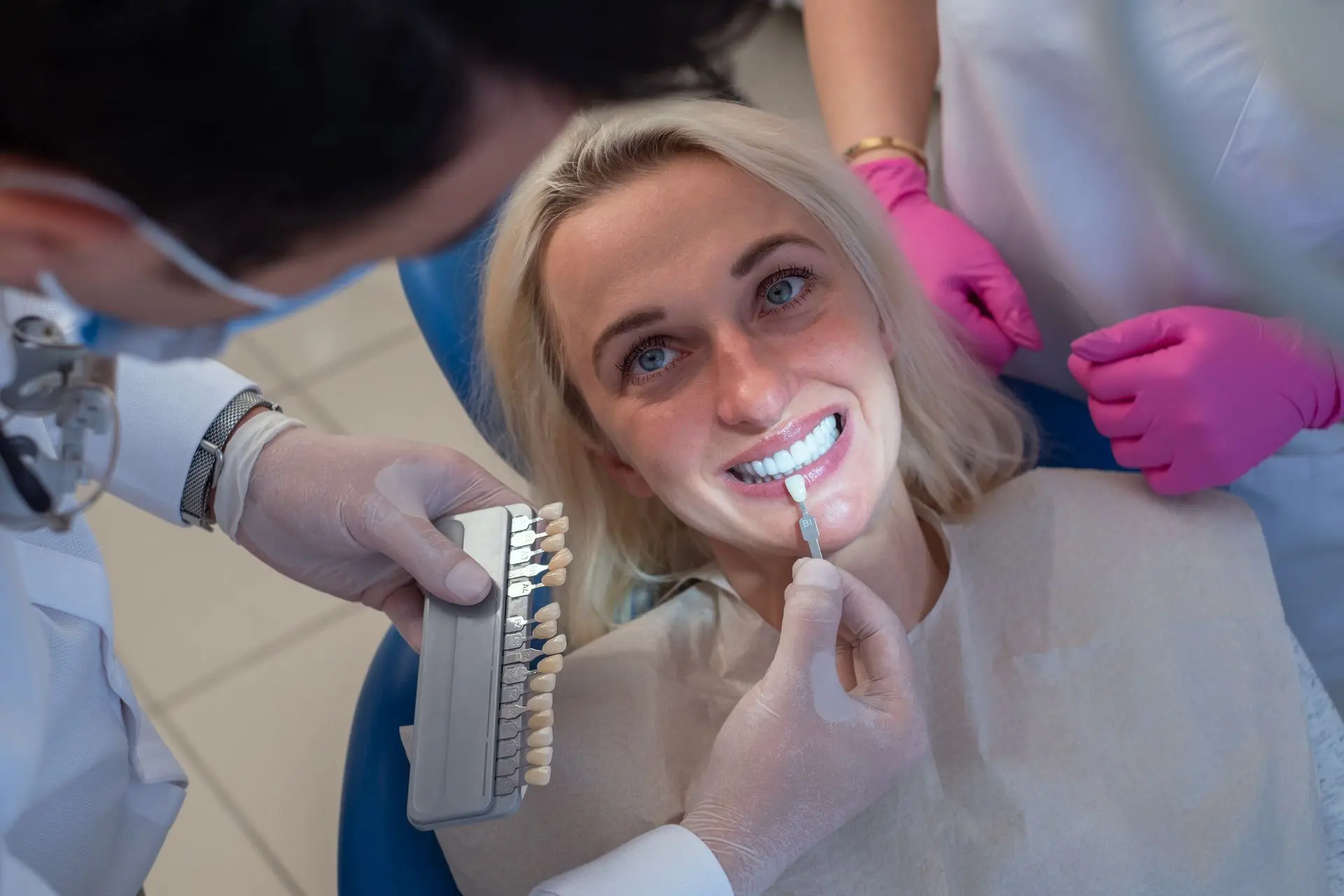
Dental Veneers: Pros and Cons of Porcelain and Composite Veneers
Comparing porcelain, composite, and Lumineer veneers — advantages, disadvantages, candidacy, and cost considerations.
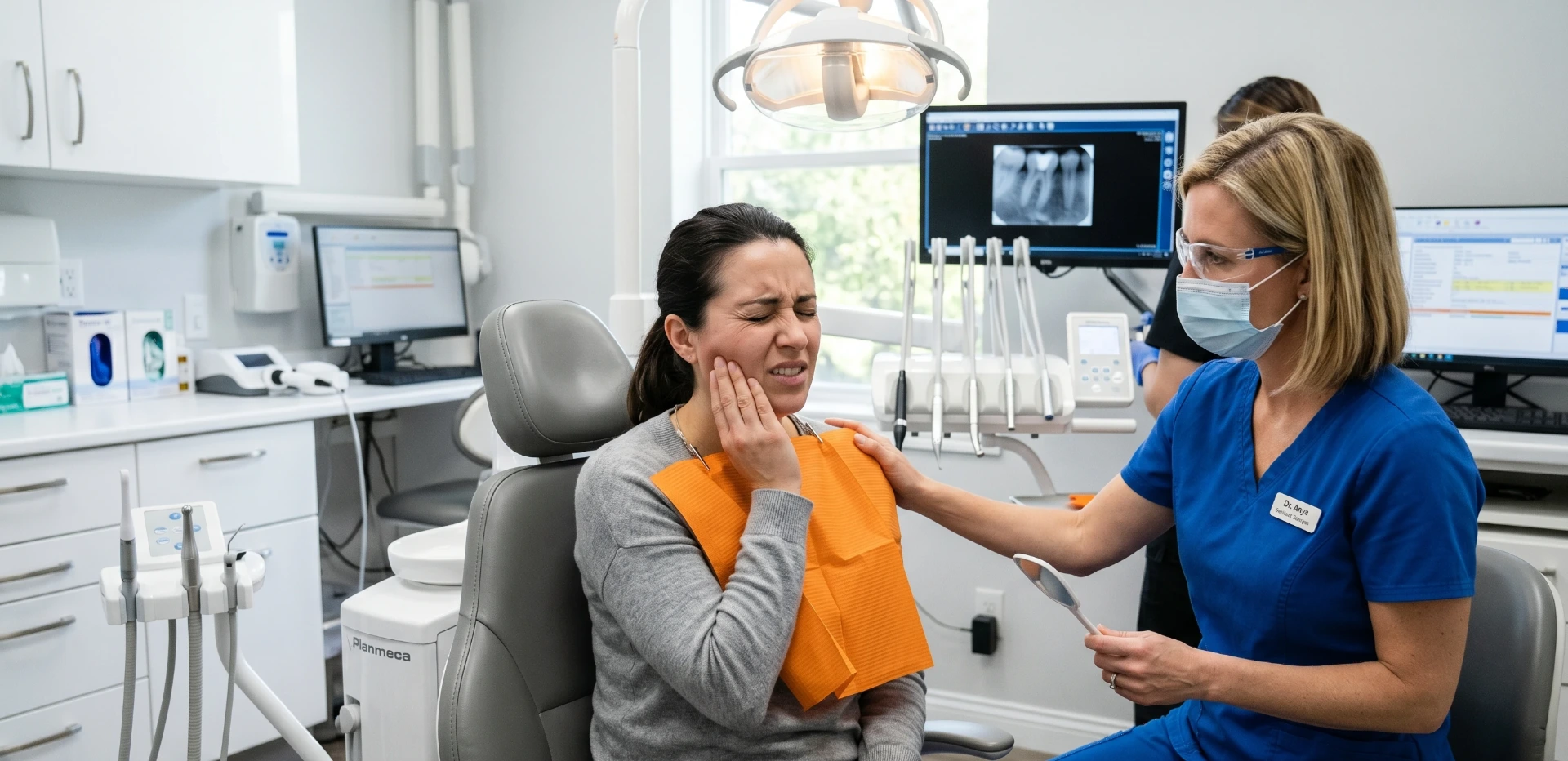
Wisdom Tooth Removal: When Is Wisdom Tooth Extraction Necessary?
Not every wisdom tooth needs to come out. Here is how dentists decide which third molars to remove and which to leave alone.