
Treating a Dental Infection: Why Antibiotics Alone Are Not the Cure

Reviewed by Dr. Reza A. Tafreshi, DDSCA Dental License #101339
Practising dentist in Aliso Viejo, CA. DDS, Loma Linda University.

Medically reviewed · 4 minute read
A dental infection starts inside a tooth or in the tissue around it, and it does not resolve on its own. The point worth understanding before anything else: an infection has a source, and the source is physical. Bacteria are living in a space antibiotics reach poorly — the dead pulp chamber inside a tooth, or a pocket of pus walled off from the bloodstream. Medicine circulating in your blood struggles to get there in useful concentration.
That is why a course of antibiotics often makes someone feel better for a week and then the pain returns. The drug suppressed the infection; it did not remove what was feeding it.
What actually resolves a dental infection
Dentists call it source control, and it means physically removing or draining the infected material. Depending on where the infection sits, that is usually one of:
| Source of infection | Definitive treatment | What it achieves |
|---|---|---|
| Dead or dying pulp inside the tooth | Root canal treatment | Removes the infected tissue and seals the canal so bacteria cannot recolonise |
| A tooth that cannot be restored | Extraction | Removes the source entirely when the tooth is beyond saving |
| A collection of pus in the gum or bone | Incision and drainage | Releases the pressure and lets the tissue recover |
| Infection around a wisdom tooth or gum flap | Cleaning under the flap, sometimes removal | Clears the trap where debris and bacteria collect |
Pain relief usually follows drainage quickly, because most of the pain is pressure.
So when are antibiotics used?
As an adjunct, not a substitute. The American Dental Association recommends definitive dental treatment for most pulpal and periapical pain and localized swelling in otherwise healthy adults, and reserves antibiotics for systemic involvement or selected higher-risk cases — for example spreading swelling, fever, or a medical condition that affects healing or immunity.
Two things are worth saying plainly. Do not start leftover antibiotics or someone else's prescription. The wrong drug at the wrong dose can mask worsening infection while contributing to resistance. And antibiotics do not shorten the time to definitive treatment — if anything, feeling better can delay the appointment that would have fixed it.
Never try to drain it yourself
A dental abscess sits close to structures that matter — the floor of the mouth, the airway, the spaces of the neck and face. Cutting, squeezing, or piercing a swelling at home can push infection deeper into those spaces rather than out of them, and it introduces new bacteria through the wound. Drainage is a clinical procedure done under anaesthetic in a controlled field, and it is not painful in the way people expect.
When swelling becomes an emergency
Go to an emergency department or call 911 for difficulty breathing or swallowing, swelling that is spreading quickly across the face or down the neck, swelling that closes the eye, an inability to open the mouth, or fever with confusion. These suggest the infection has moved beyond the tooth into spaces where it can threaten the airway. This is uncommon, but it is the reason dental infections are not something to wait out.
Short of that, persistent toothache, a gum boil or pimple that keeps returning, a bad taste that comes back, or facial swelling of any size all warrant a same-day dental appointment.
What to do while you arrange care
Rinse gently with warm salt water, keep your head elevated when resting, and use label-directed pain medicine if it is safe for you. Avoid heat on a swelling, and avoid chewing on that side. None of this treats the infection — it makes the wait more bearable.
References
ADA: Emergency patient treatment
ADA: Antibiotics for dental pain and swelling
AAE: Saving your natural tooth
Take the next step
If you have swelling, a returning gum boil, or pain that wakes you at night, call our Aliso Viejo office for a same-day assessment. Bring the name of any antibiotic you have already taken.
More from the Blog
 Dental Emergency Guide: What to Do for Pain, Swelling, or Trauma
 Root Canal vs. Extraction: How Dentists Decide Whether a Tooth Can Be Saved
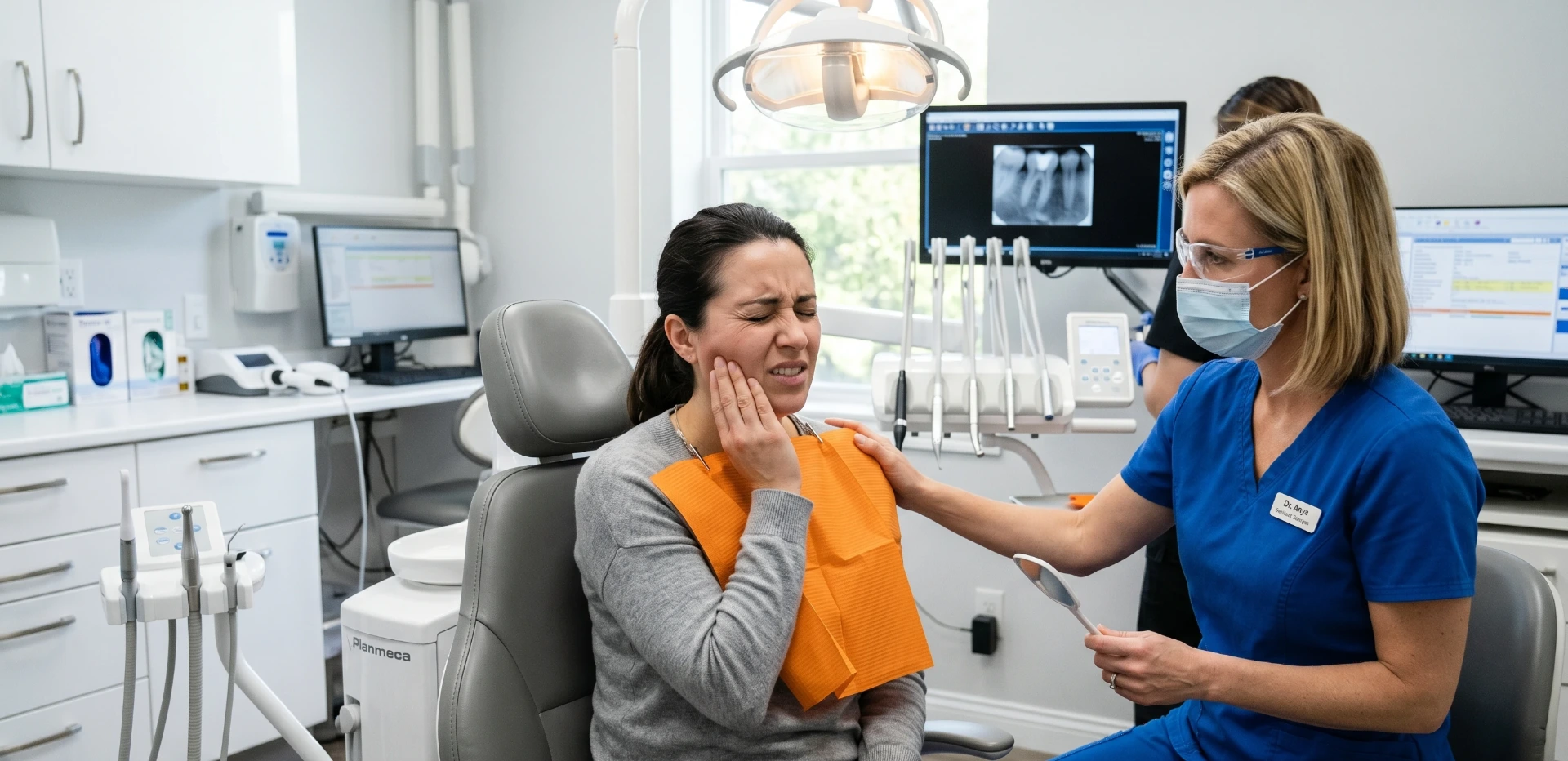 Emergency Dentist in Aliso Viejo: What to Do, When to Act, and Where to Get Same-Day Dental Care
Have a question about your smile?
Bring this guide to a consultation in Aliso Viejo.
Our page on emergency dental care
Book Your Visit Today
Same-day appointments available, and we are in-network with most major PPO plans. Call our Aliso Viejo team or book online.
Online booking opens in Zocdoc.
4.7 Rating from 275 Google ReviewsPatient education
Keep your smile moving forward
Read practical treatment guides and oral-health answers from the Aliso Viejo Family Dental Group team.

Zirconia Crowns: The Advantages, and the Trade-Offs
Is zirconia better than porcelain? How long do zirconia crowns last? A complete look at the strongest dental crown material available today.
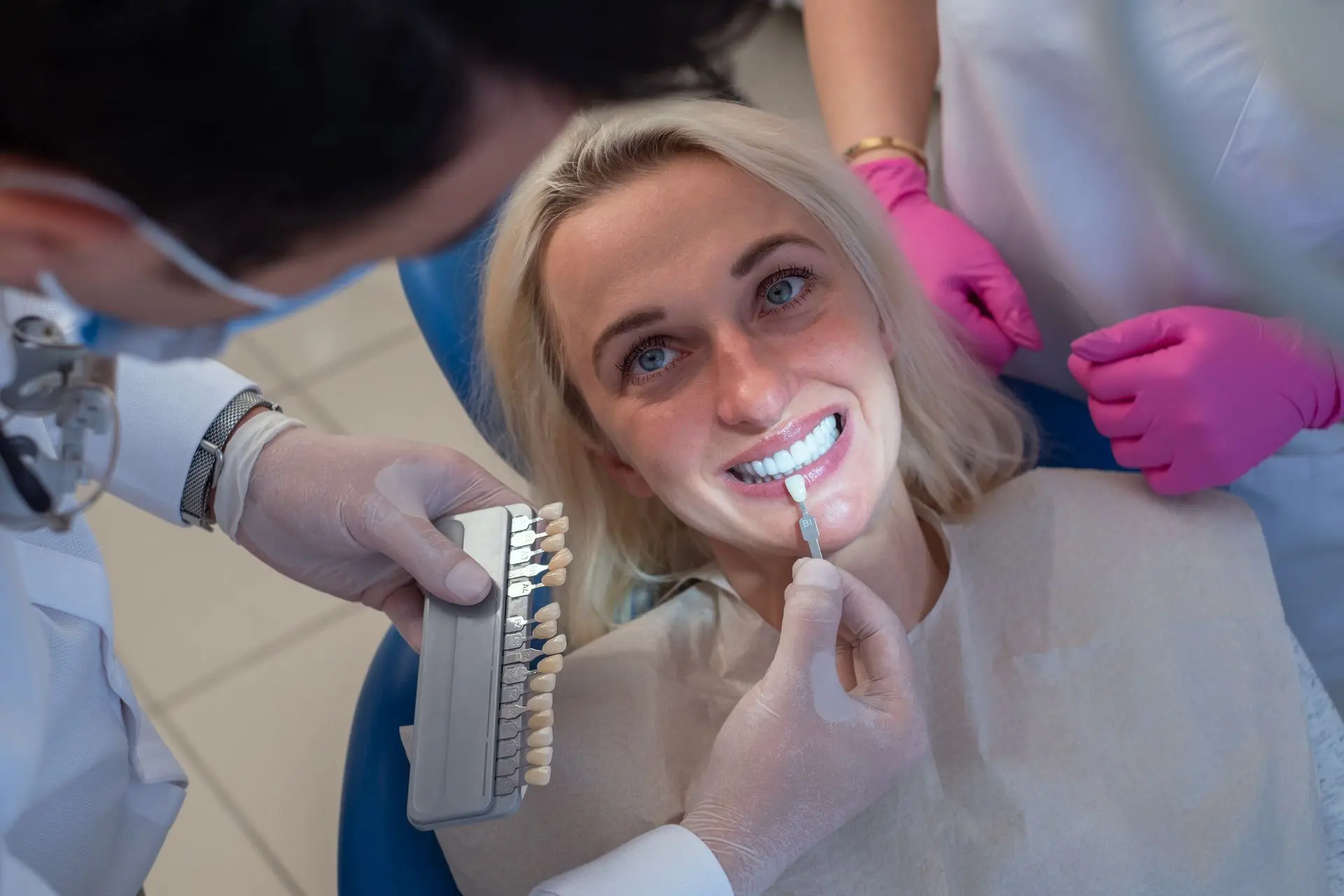
Dental Veneers: Pros and Cons of Porcelain and Composite Veneers
Comparing porcelain, composite, and Lumineer veneers — advantages, disadvantages, candidacy, and cost considerations.
Wisdom Tooth Removal: When Is Wisdom Tooth Extraction Necessary?
Not every wisdom tooth needs to come out. Here is how dentists decide which third molars to remove and which to leave alone.