
Zirconia Crown: Advantages and Disadvantages of Zirconia Crown

Medically Reviewed by Dr. Reza A. Tafreshi, DDSClinical Board Verified
Fact-checked and approved for clinical accuracy in Orange County, CA.

Medically reviewed · 4 minute read
A dental crown is a restoration that covers a compromised tooth. When a tooth has fractured, cracked, or broken, a crown rebuilds it to full strength and appearance. Of all the materials available today, zirconia is the strongest — and with proper care, a zirconia crown can last for decades.
Why Dental Crowns Are Needed
Crowns are typically recommended for a broken, cracked, fractured, or chipped tooth, a tooth with a large existing filling, a tooth that has recently had a root canal, or a healed dental implant. The crown procedure is usually completed in under an hour per visit under local anesthetic and improves both the look and function of the tooth.
What Is Zirconia Made Of
Zirconia is zirconium dioxide — a metal oxide with a tetragonal crystalline structure that gives it extraordinary strength. It is an all-ceramic material with no metal substructure, highly resistant to wear, and extremely difficult to crack.
Introduced to general dentistry around 2010, zirconia had already been used for years in endodontic posts and implant components. It is delivered to the lab as solid pressed blocks and milled into precise 3D crowns using CAD/CAM technology. Because there is no metal layer, there are no dark lines at the gum margin.
Restorative Uses
Zirconia is used for full-coverage crowns, multi-unit bridges, frameworks for porcelain-fused-to-zirconia restorations, and even veneers in select cases.
Three Types of Zirconia Crowns
Full-contour zirconia offers superior strength and is the best choice for heavy bite forces, bruxism, or strong canine guidance. Full-contour all-translucent zirconia is more aesthetic and well suited to areas with lower biting forces. Porcelain-fused-to-zirconia (PFZ) combines a full-contour zirconia core with a translucent porcelain layer on the facial surface — the ultimate combination of wear resistance and aesthetics.
Benefits of Zirconia Crowns
Zirconia is the strongest crown material available, making it ideal for back teeth and allowing for more conservative tooth preparation. Studies show monolithic zirconia performs as well as metal crowns over a five-year span and beyond. It is highly biocompatible, with limited cytotoxicity and a low risk of immune response. With same-day CEREC crown technology at our Aliso Viejo office, a zirconia crown can be designed, milled, and cemented in a single visit.
Zirconia vs Other Crown Materials
Compared with Emax (lithium disilicate), zirconia is stronger and more durable while Emax is more translucent and often preferred for front teeth. Compared with traditional ceramic, zirconia is much more durable, and monolithic zirconia eliminates the risk of porcelain chipping. Compared with porcelain, zirconia offers better strength and a more natural appearance. Compared with porcelain-fused-to-metal, zirconia and titanium are unique in not being recognized as foreign by the body — better biocompatibility and no metal showing through.
The Procedure
Zirconia crowns can be placed in two visits (prep plus placement) or, with in-office CEREC milling, in a single same-day crown appointment. Tooth preparation includes rounded line angles, chamfered shoulders, a 0.6 mm gingival margin depth, 1.0 mm axial walls, and 1.5 mm occlusal reduction. The crown is then cemented with a glass ionomer resin cement.
How Long Do Zirconia Crowns Last
Estimates run to about twenty years, with longevity depending heavily on home care, bite forces, and habits like grinding.
Are They Safe
Yes. Zirconium dioxide has been used in medical prosthetics since the 1960s and in dentistry since the 1990s. It is chemically unreactive and free of metal-allergy concerns.
Disadvantages
The opaque appearance of monolithic zirconia can look less natural than layered ceramics, particularly on front teeth. Its hardness raises theoretical concerns about wear on opposing teeth, though studies show feldspathic porcelain actually causes more opposing enamel wear. Zirconia is also more expensive than ceramic, metal, or traditional porcelain crowns.
FAQs
Can a root canal be performed through a zirconia crown? Yes, root canal treatment can be completed through an existing zirconia crown.
Will I wear a temporary crown during the process? A temporary crown is placed between appointments to protect the prepared tooth.
Are zirconia crowns stronger than porcelain? Yes — zirconia is the strongest dental crown material available.
What are monolithic zirconia crowns? Crowns milled from a single solid block of zirconia with no ceramic layering, providing maximum strength.
More from the Blog
Dental Veneers: Pros and Cons of Porcelain and Composite Veneers
What to Expect with Cosmetic Dentistry
What to Expect with Dental Bridges
What to Expect with Dental CrownsHave a question about your smile?
Bring this guide to a consultation in Aliso Viejo.
Book Your Visit Today
Same-day appointments and free consultations available. Our team is ready to help.
Patient education
Keep your smile moving forward
Read practical treatment guides and oral-health answers from the AVF Dental Group team.

Zirconia Crown: Advantages and Disadvantages of Zirconia Crown
Is zirconia better than porcelain? How long do zirconia crowns last? A complete look at the strongest dental crown material available today.
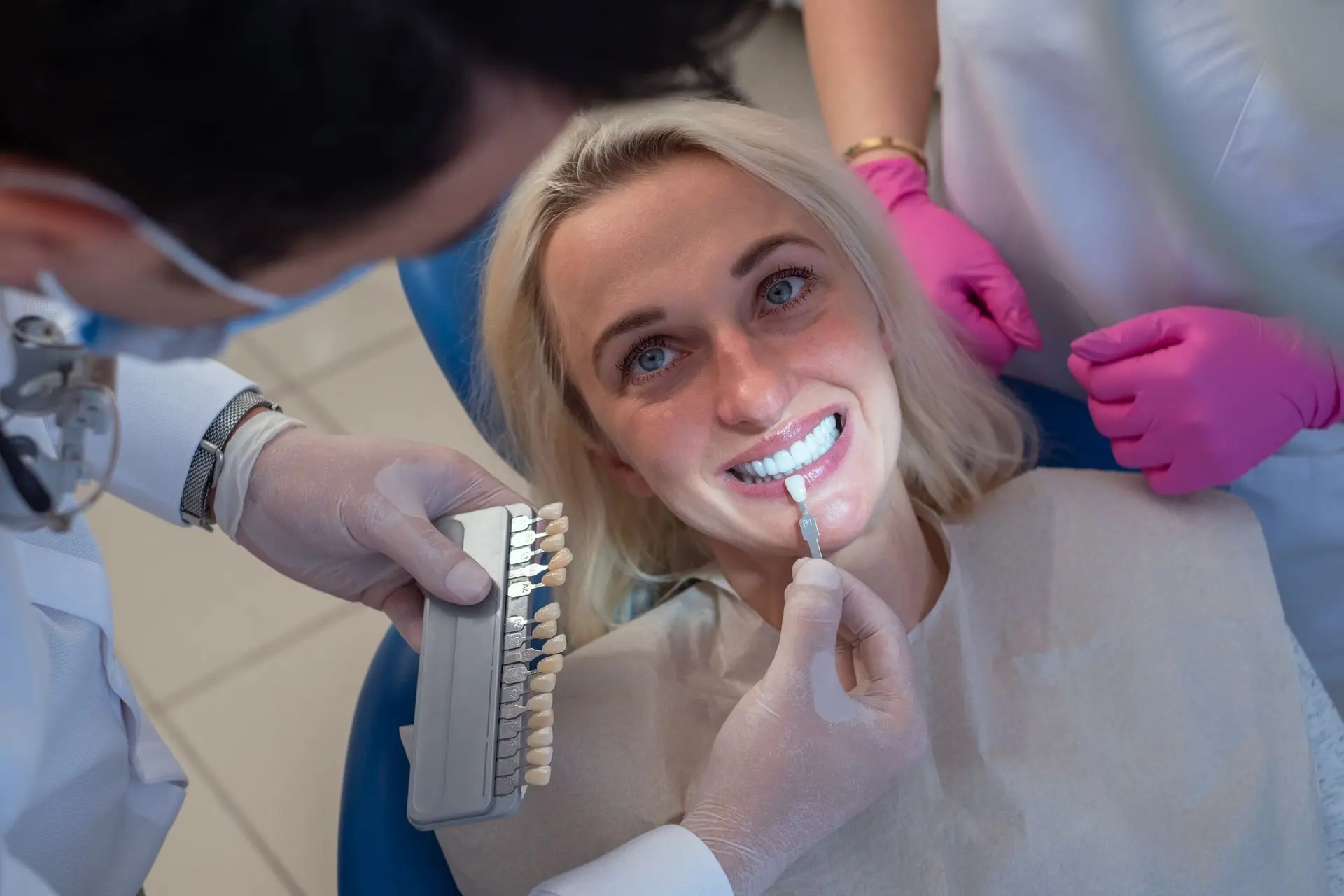
Dental Veneers: Pros and Cons of Porcelain and Composite Veneers
Comparing porcelain, composite, and Lumineer veneers — advantages, disadvantages, candidacy, and cost considerations.
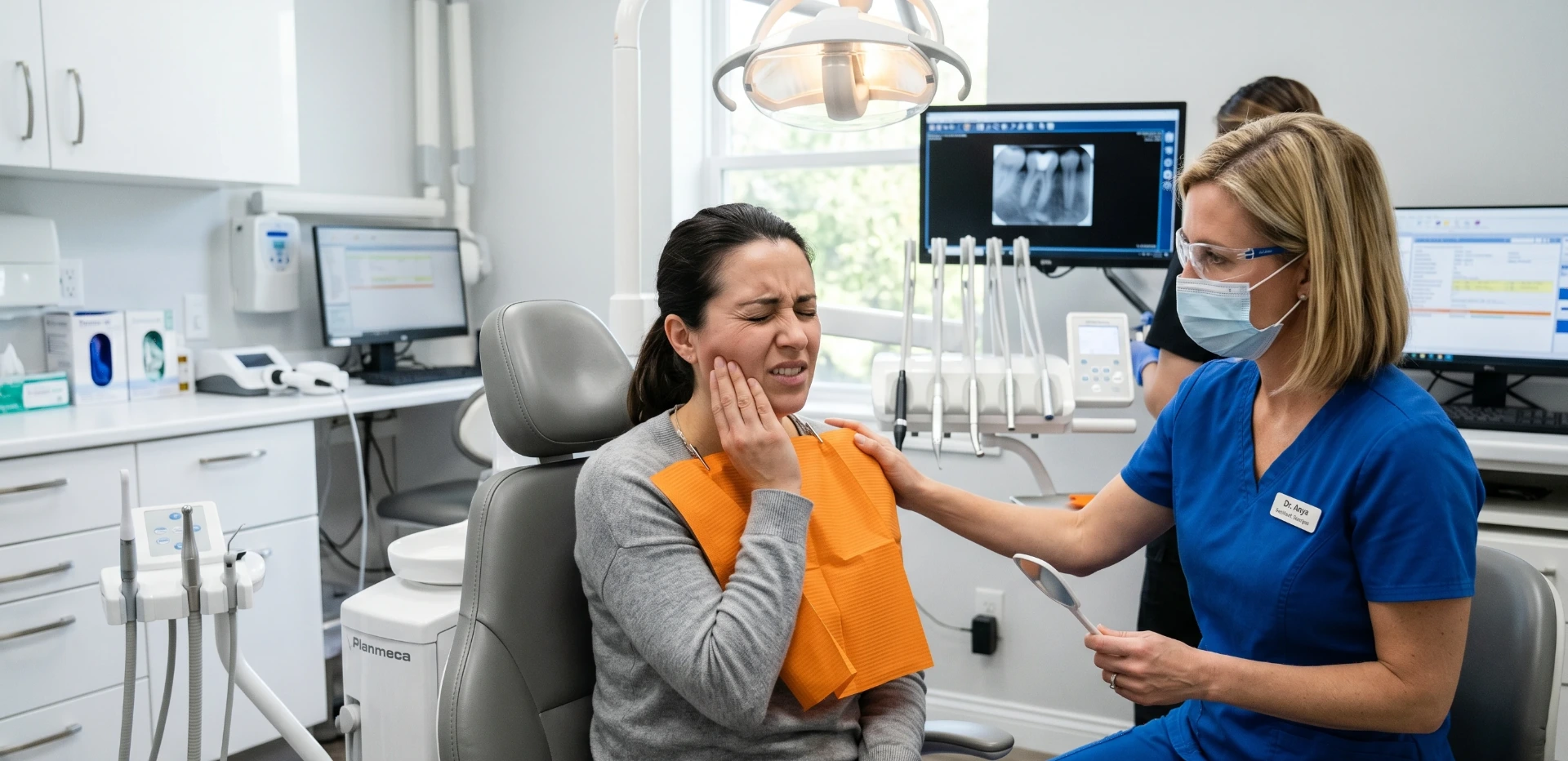
Wisdom Tooth Removal: When Is Wisdom Tooth Extraction Necessary?
Not every wisdom tooth needs to come out. Here is how dentists decide which third molars to remove and which to leave alone.
