Same-Day Restorative Care
In-House Dental Milling Laboratory
Many dental clinics mail impressions to external labs. We craft your final crowns, veneers, and bridges in-house for a perfect custom fit.
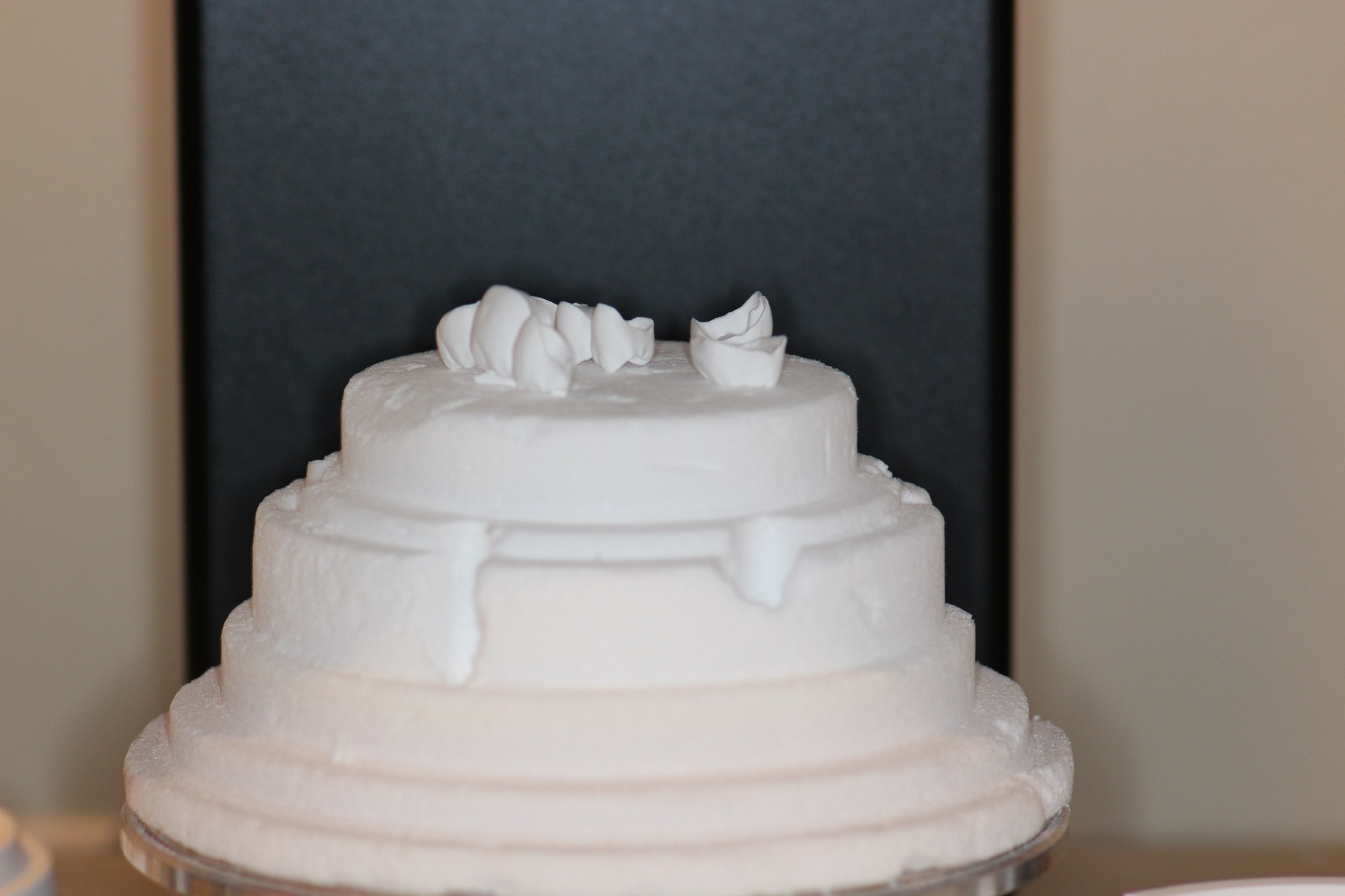
Bespoke Restorations, Crafted Under Our Direct Supervision
When a tooth needs a crown, veneer, or bridge, the traditional process requires taking silicone impressions, mailing them to a remote dental lab, and waiting two to three weeks with a temporary cap.
At Aliso Viejo Family Dental Group, we have bypassed this delay by establishing a fully equipped digital milling laboratory right inside our office. Dr. Reza Tafreshi and our clinical technicians oversee your restoration from initial digital scanning to computer-aided design (CAD) and final glaze firing.
Uncompromising Quality Control
- Zero Wait Times: We can design, mill, and bond permanent restorations in a single appointment, eliminating temporary restorations.
- Custom Shade Adjustment: Since the lab is right here, we can hand-finish and customize the glaze color next to your natural teeth for a flawless match.
- Precise Margin Sealing: Our industrial milling equipment guarantees fit accuracy down to the micrometer level.
Our Lab Milling Tech
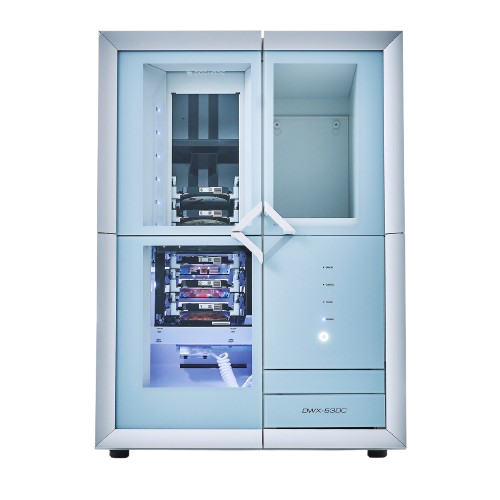
Roland DWX-53DC Industrial 5-Axis Dental Milling System.
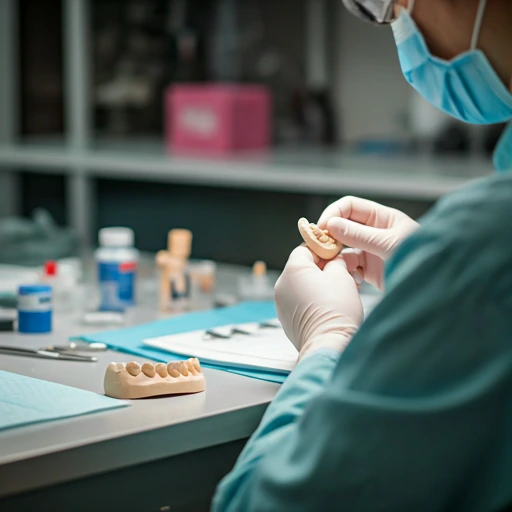
A technician hand-finishes a custom ceramic restoration in our Aliso Viejo in-house lab.
Digital Workflow
From Digital Scan to Final Restoration
Every restoration follows a streamlined three-step process — no messy impressions, no multi-week waits.
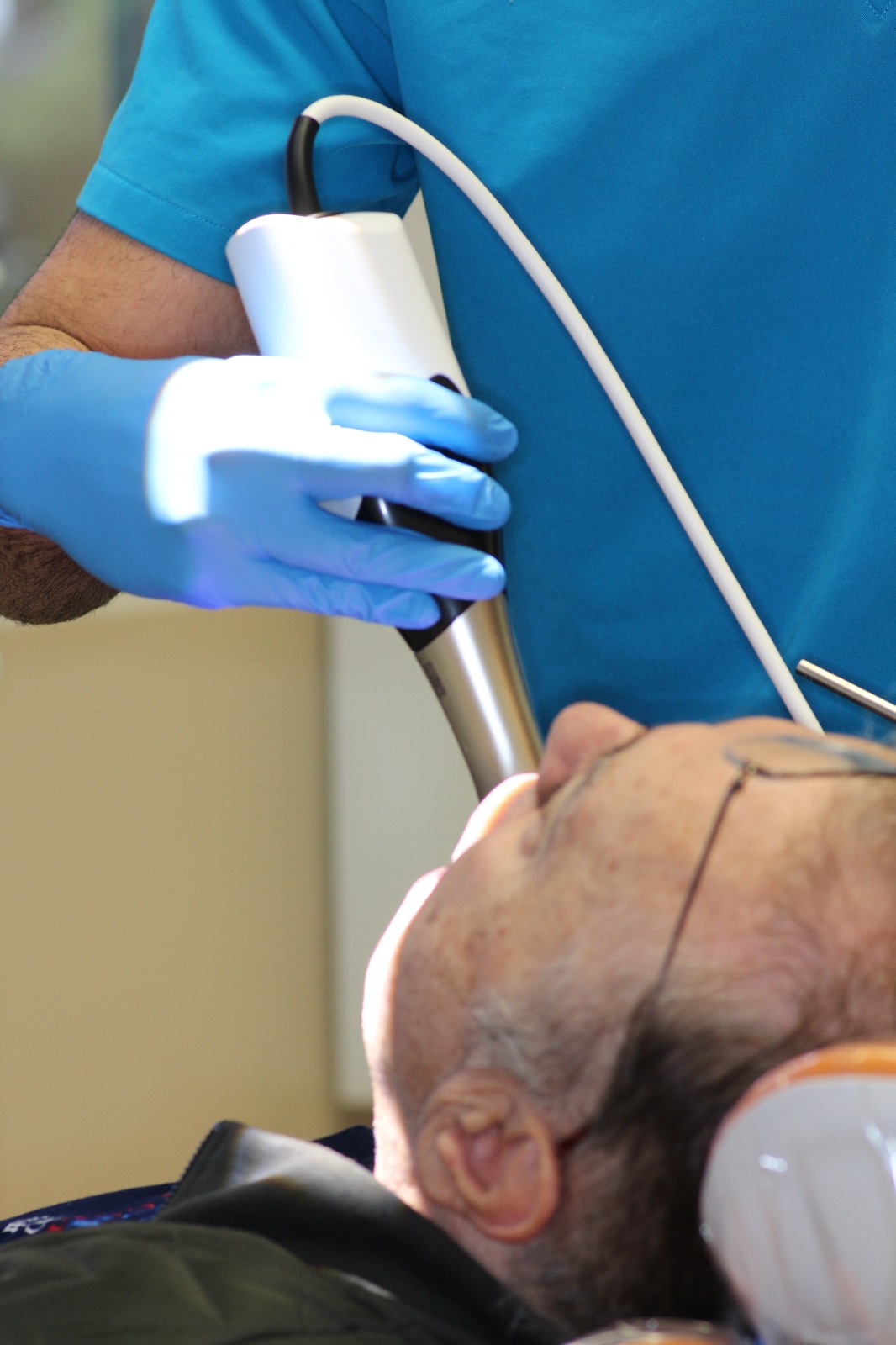
Digital Impression
A handheld intraoral scanner captures a 3D map of your teeth in minutes — no gooey trays.
In-House Milling
Our 5-axis milling unit cuts your restoration from a solid ceramic block with micron precision.
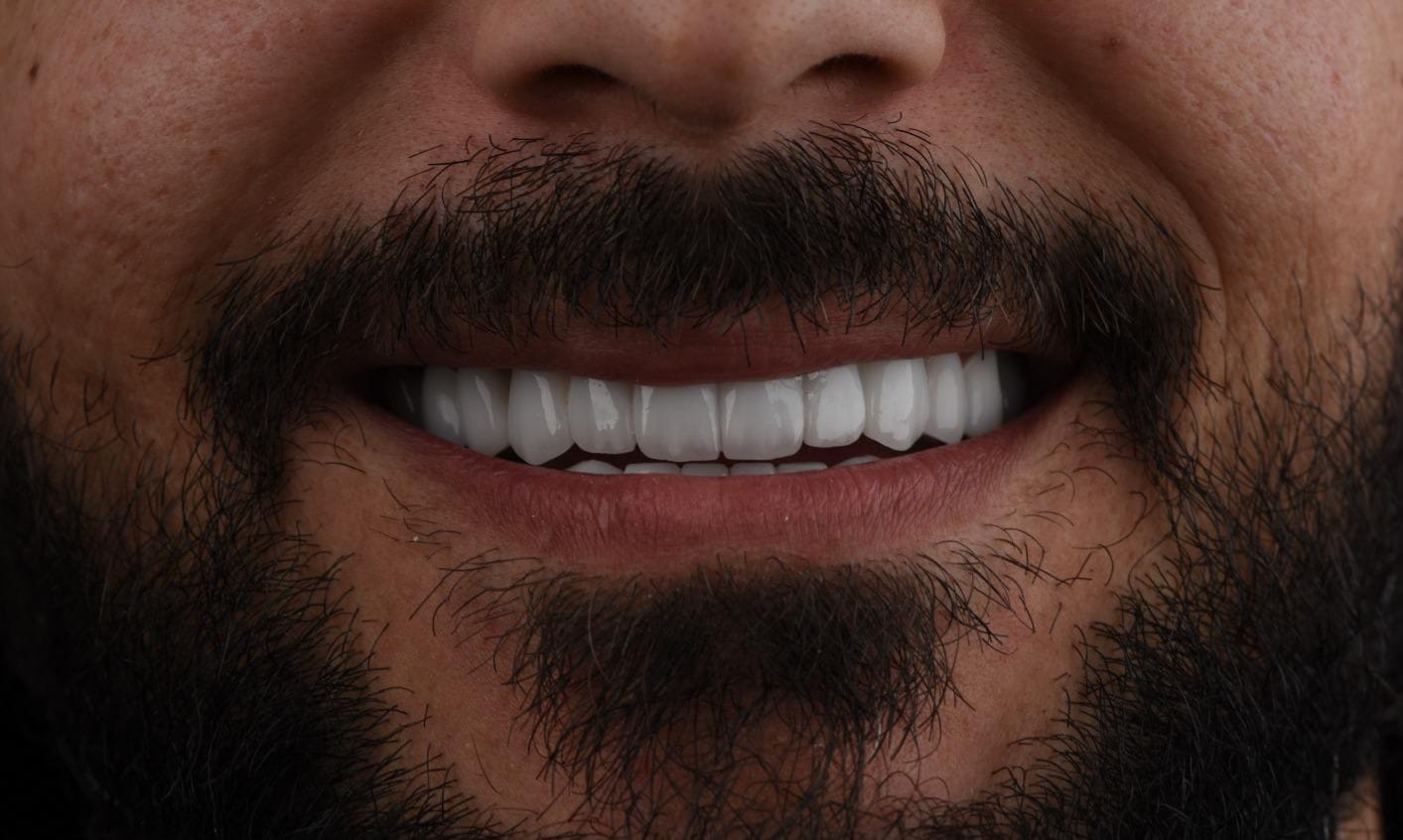
Custom Finish & Bond
We hand-glaze, shade-match, and bond your final restoration — all in a single visit.
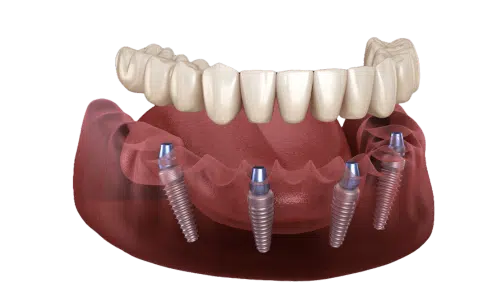
Custom high-strength zirconia bridge milled in-house.
Materials Fabricated In-House
1. IPS e.max Glass-Ceramic
Known for unmatched translucency and shade-matching capabilities. Ideal for anterior (front) teeth veneers and crowns, replicating natural enamel reflectivity.
2. Solid Zirconia (High-Translucency)
Extremely fracture-resistant crystalline structure. Best suited for posterior (back) molar crowns and structural bridges where bite pressures are highest.
3. Composite Resin Hybrid Restoration
A hybrid blend that acts like natural dentin, absorbing bite shocks. Ideal for biomimetic inlays, onlays, and conservative tooth preservation.
Frequently Asked Questions
Book Your Visit Today
Same-day appointments and free consultations available. Our team is ready to help.
Patient education
Keep your smile moving forward
Read practical treatment guides and oral-health answers from the AVF Dental Group team.

Zirconia Crown: Advantages and Disadvantages of Zirconia Crown
Is zirconia better than porcelain? How long do zirconia crowns last? A complete look at the strongest dental crown material available today.
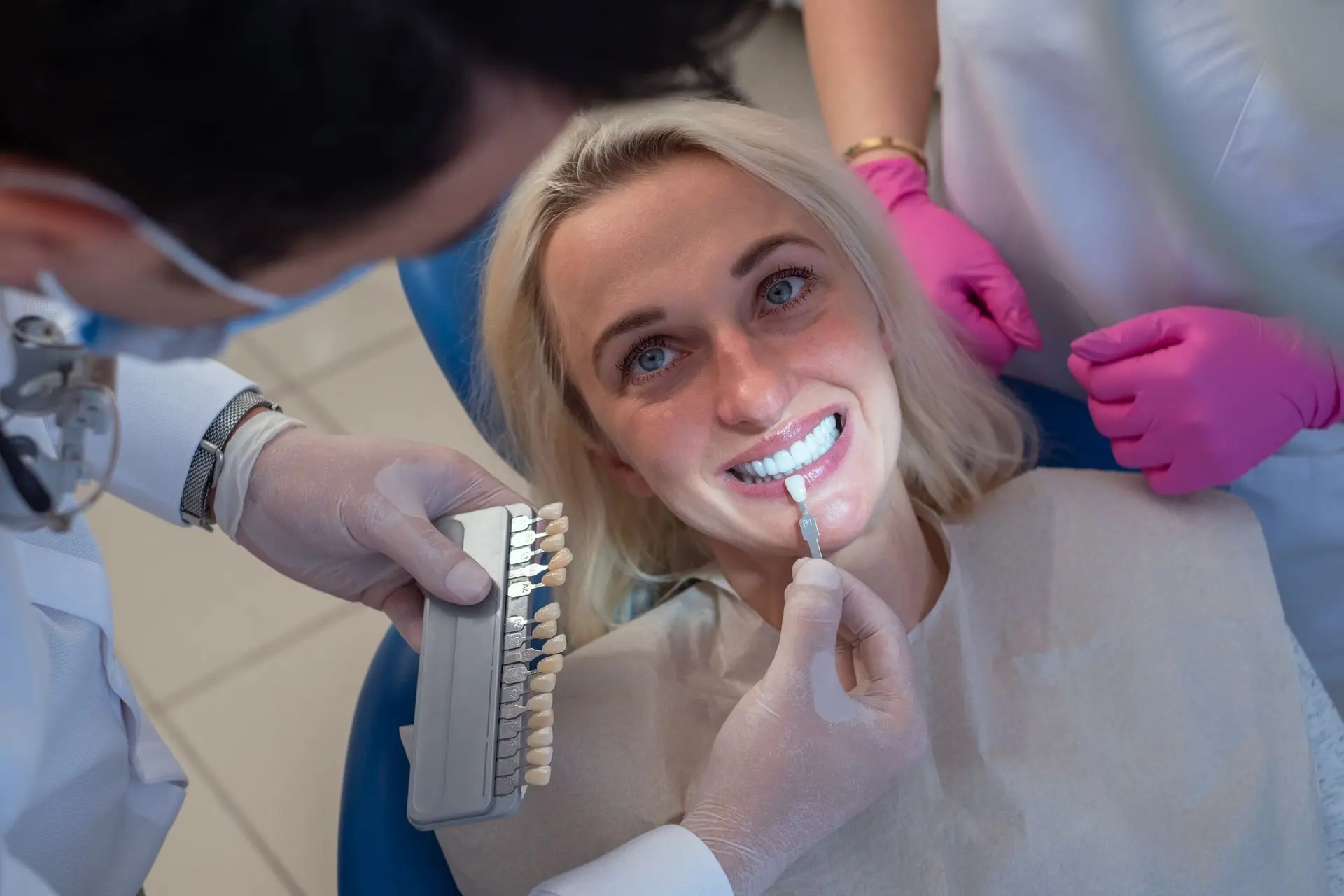
Dental Veneers: Pros and Cons of Porcelain and Composite Veneers
Comparing porcelain, composite, and Lumineer veneers — advantages, disadvantages, candidacy, and cost considerations.
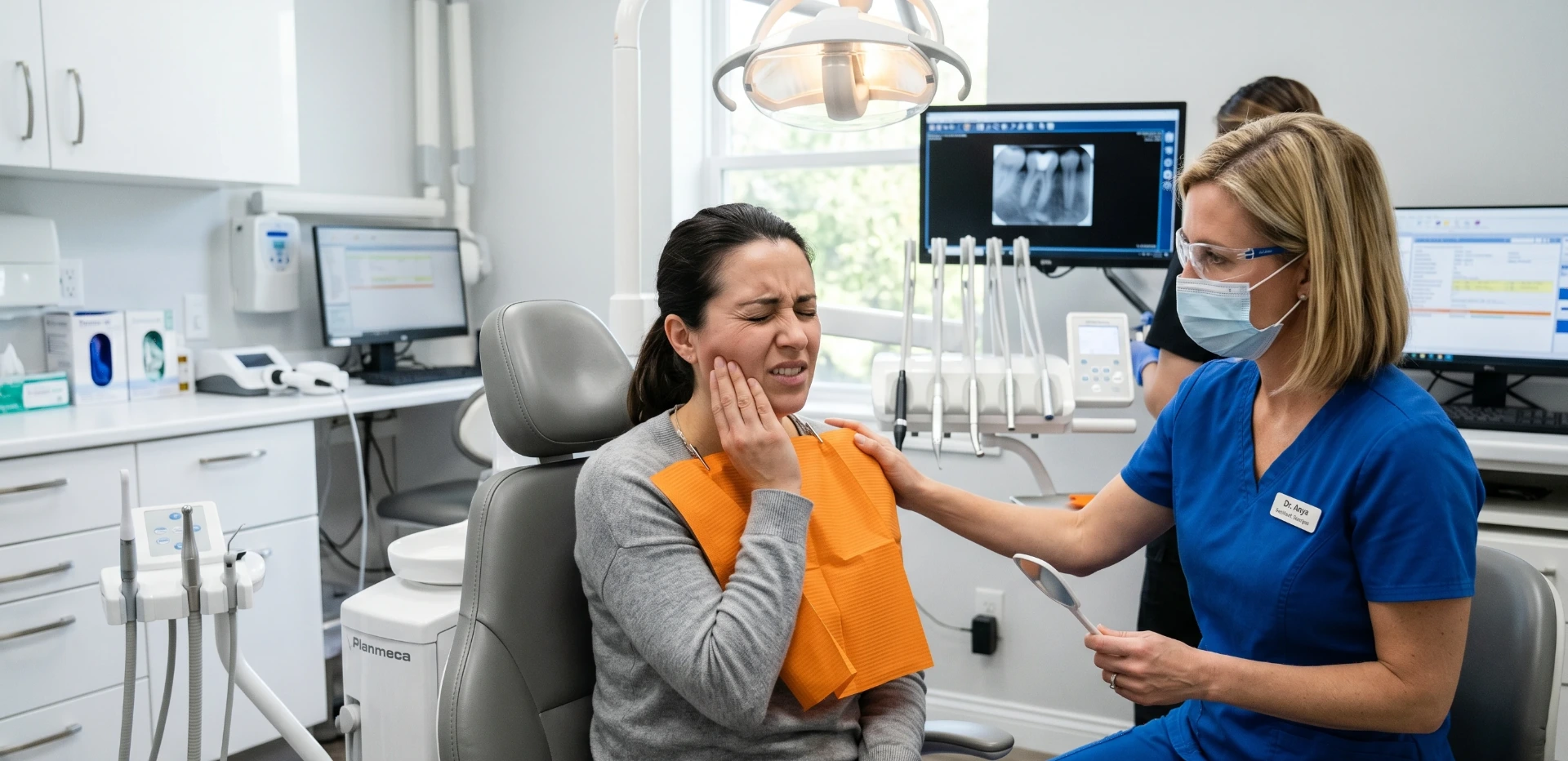
Wisdom Tooth Removal: When Is Wisdom Tooth Extraction Necessary?
Not every wisdom tooth needs to come out. Here is how dentists decide which third molars to remove and which to leave alone.