
What to Expect with Dental Crowns

Medically Reviewed by Dr. Reza A. Tafreshi, DDSClinical Board Verified
Fact-checked and approved for clinical accuracy in Orange County, CA.

Medically reviewed · 3 minute read
A dental crown is a restorative cover that sits over the top of a tooth — usually porcelain or resin — protecting the tooth while restoring its color, shape, and strength. Crowns are typically recommended for large cavities, worn or weakened teeth, or badly discolored teeth that need covering.
The Two-Visit Procedure
Visit one. The dentist numbs the area, removes any decay, shapes the tooth so the crown will fit, takes an impression or digital scan, sends it to the lab, and places a temporary crown.
Visit two, about two weeks later. The temporary is removed, the permanent crown is checked for fit, color, and bite, and then cemented into place.
How Long Do Crowns Last
About fifteen years on average with good care, and twenty-five to thirty years is not uncommon. Longevity depends on oral hygiene and daily wear.
Problems That Can Develop
Discomfort or sensitivity after placement is normal as anesthesia wears off, and a sensitive-toothpaste regimen helps if the nerve is still present. Pain when biting down often means the crown is slightly too high — an easy adjustment.
Chipped crown. Small chips can be repaired. Large or repeated chips may require replacement.
Loose crown. Cement can wash out over time, allowing bacteria in and causing decay underneath. Call promptly if a crown feels loose.
Crown falls off. Possible from improper fit or worn cement. The crown can often be re-cemented or remade.
Allergic reaction. Extremely rare reaction to metal or porcelain alloys.
Dark line at the gum line. Normal in porcelain-fused-to-metal crowns where the metal substructure shows through. Not harmful.
Aftercare
With a temporary crown, avoid chewy or sticky foods, hard foods, extremely hot or cold foods, and tough foods. Chew on the opposite side and slide floss out sideways rather than lifting it up.
With a permanent crown, avoid hard or crunchy foods, very sticky foods, chewing ice, and raw vegetables when possible. Don't use your teeth as tools.
To preserve the crown, brush and floss at least twice daily with a soft-bristled brush and non-abrasive fluoride toothpaste, attend dental checkups every six months, and limit dark foods and drinks that can stain the porcelain at the edge over time.
Cost
Cost varies by material and location. Porcelain crowns are usually the most expensive, while gold or porcelain-fused-to-metal options are typically the most affordable. Call AVF Dental Group at (949) 360-9700 to discuss what fits your situation.
More from the Blog
Zirconia Crown: Advantages and Disadvantages of Zirconia Crown
Dental Veneers: Pros and Cons of Porcelain and Composite Veneers
What to Expect with Cosmetic Dentistry
What to Expect with Dental BridgesHave a question about your smile?
Bring this guide to a consultation in Aliso Viejo.
Book Your Visit Today
Same-day appointments and free consultations available. Our team is ready to help.
Patient education
Keep your smile moving forward
Read practical treatment guides and oral-health answers from the AVF Dental Group team.

Zirconia Crown: Advantages and Disadvantages of Zirconia Crown
Is zirconia better than porcelain? How long do zirconia crowns last? A complete look at the strongest dental crown material available today.
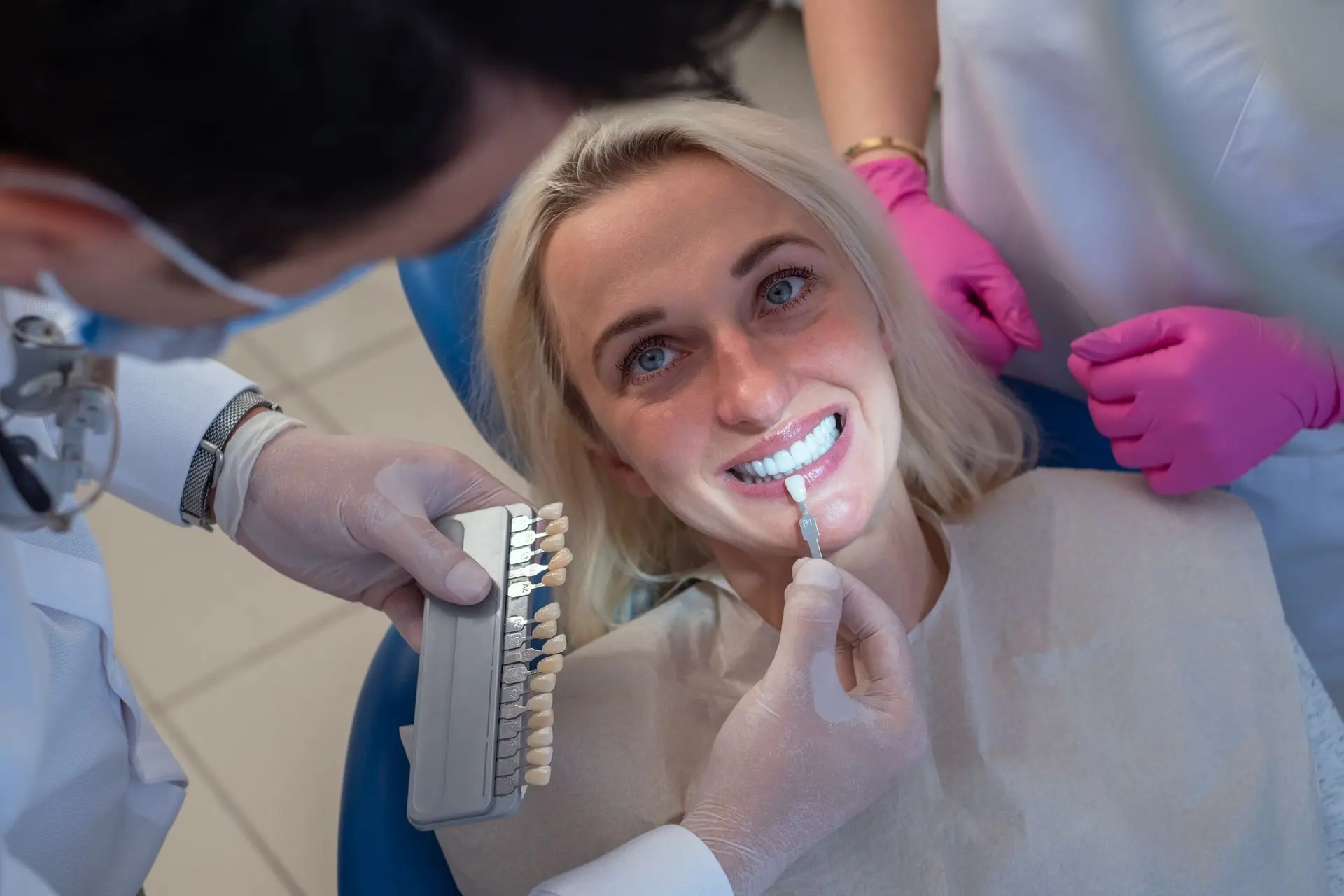
Dental Veneers: Pros and Cons of Porcelain and Composite Veneers
Comparing porcelain, composite, and Lumineer veneers — advantages, disadvantages, candidacy, and cost considerations.
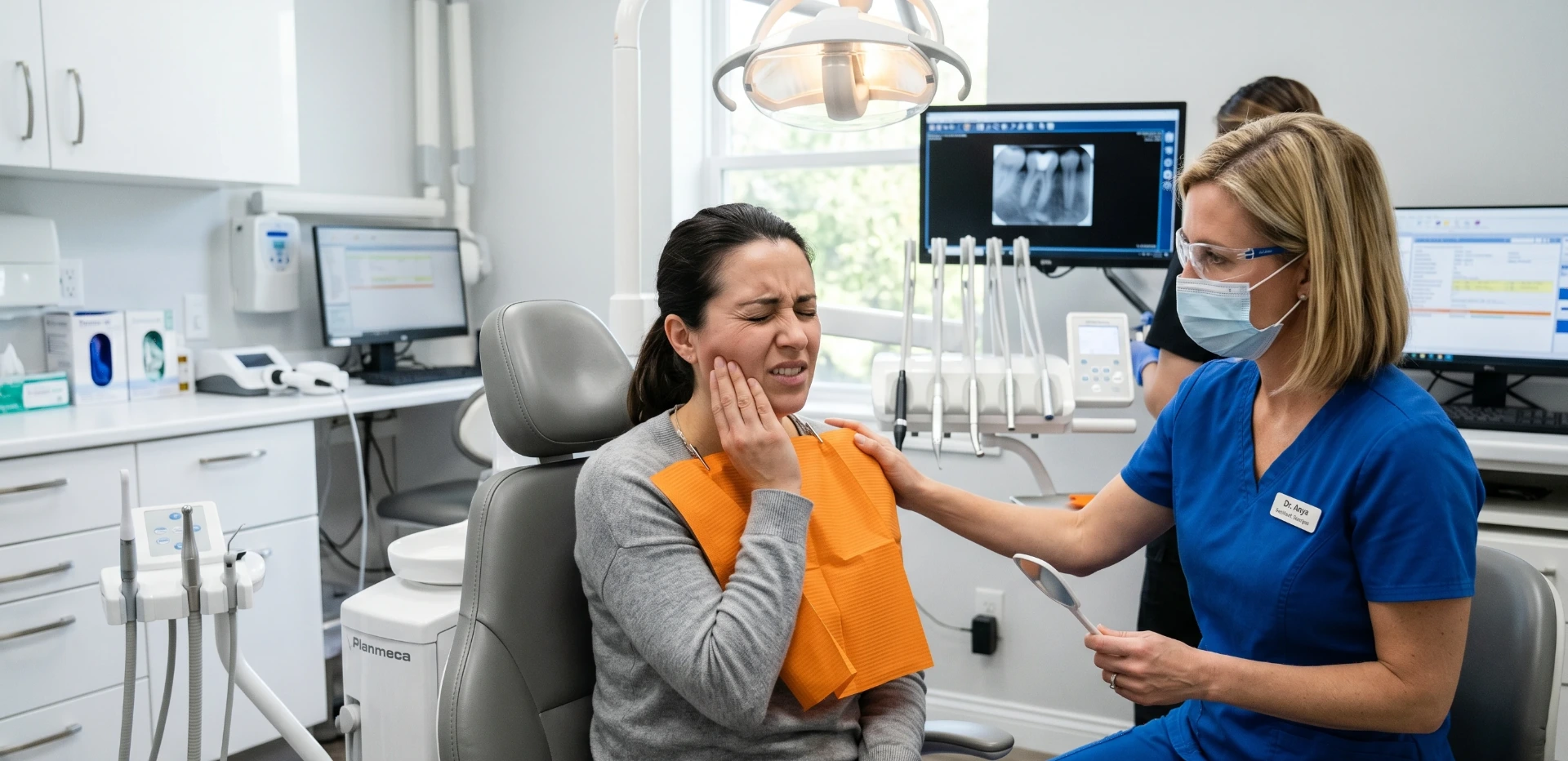
Wisdom Tooth Removal: When Is Wisdom Tooth Extraction Necessary?
Not every wisdom tooth needs to come out. Here is how dentists decide which third molars to remove and which to leave alone.
