
General Dentistry
Root Canal Therapy
When the pulp inside a tooth is inflamed or infected, root canal therapy can remove the disease, relieve the source of pain, and preserve your natural tooth when it is restorable.
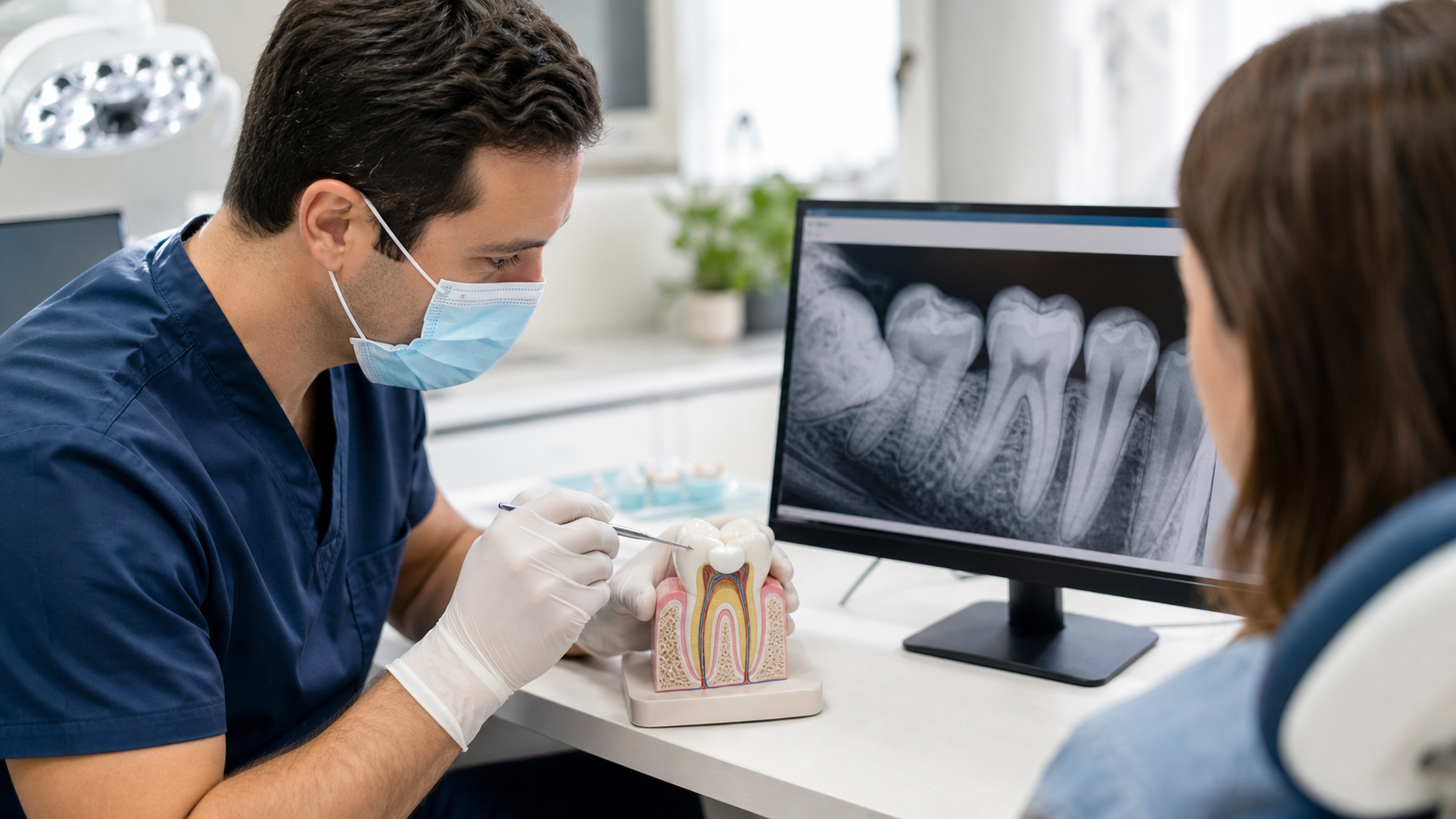
Relief-focused care
Get the source of tooth pain evaluated instead of masking symptoms indefinitely.
Keep your natural tooth
When the tooth is restorable, treatment can preserve its function and appearance.
A clear next step
Leave with a diagnosis, options, timing, and restoration plan you understand.
Tooth pain or swelling?
Call for help deciding how quickly you should be seen. Trouble breathing or swallowing requires emergency medical care.
What Is Root Canal Therapy?
A root canal is a treatment for the soft pulp tissue inside a tooth when it has become irreversibly inflamed, infected, or damaged. The tooth is carefully numbed and isolated, the diseased pulp is removed, the internal canals are cleaned and disinfected, and the space is filled and sealed. A final filling, onlay, or crown then restores the tooth so it can continue to function.
Root canal therapy is designed to preserve a natural tooth—not remove it. The American Association of Endodontists explains that a fully developed tooth can function without its pulp because it continues to receive support from the tissues around its root. Read our detailed educational guide: root canal vs. extraction.
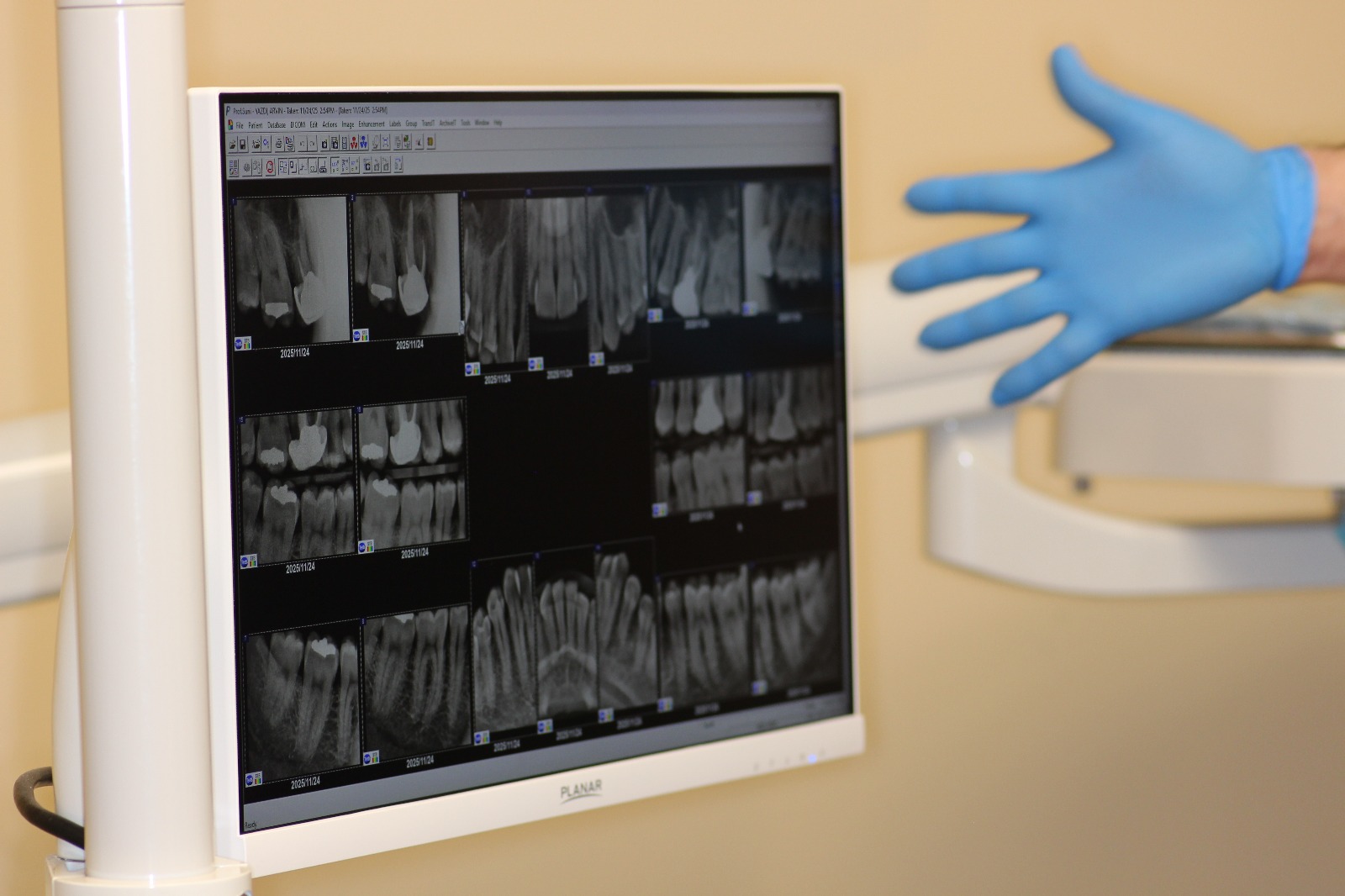
Diagnosis first
Know what is causing the pain
A root canal is recommended only after an examination. We combine your symptoms, clinical tests, bite assessment, gum findings, and appropriate imaging to distinguish pulp disease from a cavity, crack, gum problem, or bite-related pain.
Learn about our digital imagingSigns You May Need a Root Canal
Symptoms can be obvious, subtle, or absent. Contact a dentist for an evaluation if you notice:
- Lingering sensitivity to hot or cold after the stimulus is removed
- Sharp pain when chewing or biting down
- Spontaneous or nighttime tooth pain
- Swollen, tender, or pimple-like tissue on the gum
- A chipped, cracked, darkened, or heavily restored tooth
- Deep decay or pain that returns after a filling
These signs do not prove that a root canal is necessary. Similar symptoms can come from a cavity, a cracked filling, gum disease, bite trauma, or referred pain. Diagnosis uses your history, clinical tests, bite assessment, and imaging—not a symptom in isolation.
Ready for clarity?
Find out whether your tooth can be saved.
Bring your questions to a focused consultation in Aliso Viejo. We will explain the diagnosis, comfort plan, restoration, alternatives, and next appointment.
Root Canal or Extraction?
The decision depends first on whether the tooth is predictably restorable. If enough healthy structure and bone support remain, preserving the tooth may be a valuable option. Extraction may be appropriate for a vertical root fracture, extensive decay below the gum, inadequate remaining tooth structure, severe support loss, or an anatomy that cannot be treated and sealed predictably.
| Question | Root canal | Extraction |
|---|---|---|
| Tooth | Natural tooth remains after internal treatment | Tooth is removed and the space needs a plan |
| Next step | Permanent filling, onlay, or crown | Healing, then implant, bridge, or removable replacement |
| Best fit | A tooth with a reasonable restorative prognosis | A tooth that cannot be maintained predictably |
A consultation should include both options when they are clinically reasonable. Ask what the tooth needs now, what restoration will protect it, what happens if it does not heal, and what replacement would follow extraction.
What Happens During Treatment?
- Diagnosis: We review symptoms, test the tooth, examine the gums, and use imaging when indicated.
- Anesthesia and isolation: The tooth is numbed and kept clean and dry during treatment.
- Cleaning: Inflamed or infected pulp is removed and the canals are shaped and disinfected.
- Sealing: The canal space is filled and the access opening is closed.
- Final restoration: A filling, onlay, or crown protects the tooth according to its location and remaining structure.
Many cases take one or two appointments, but complex anatomy, retreatment, infection, calcified canals, or a referral can change the schedule. Your treatment plan will explain the expected visits and the temporary-care instructions between them.
Recovery and Aftercare
Mild tenderness when biting can occur for a few days. Follow the instructions from your dental team, avoid hard or sticky foods on a temporary restoration, and wait until numbness has worn off before eating so you do not bite your cheek or tongue. Continue brushing and cleaning between teeth unless your clinician gives different instructions.
Call promptly if pain is severe or worsening, swelling increases, you develop a fever, your bite feels uneven, or a temporary filling comes out. Trouble breathing or swallowing, rapidly spreading facial or neck swelling, uncontrolled bleeding, or serious facial trauma requires emergency medical care.
Do You Need a Crown After a Root Canal?
Molars and premolars often need cuspal coverage because they absorb heavy chewing forces. Some front teeth may be restored with a bonded filling when sufficient structure remains and the bite is favorable. The recommendation depends on tooth location, the amount of structure lost, cracks, bite forces, esthetics, and cleanability.
Do not delay the final restoration longer than recommended. A tooth with a temporary filling is more vulnerable to leakage and fracture. Our same-day crown service may be appropriate for selected cases after the tooth has been evaluated and prepared.
Schedule a Root Canal Evaluation in Aliso Viejo
AVF Dental Group serves Aliso Viejo, Laguna Hills, Laguna Niguel, Laguna Woods, Lake Forest, Mission Viejo, and South Orange County. Bring a list of symptoms, medications, allergies, and prior dental treatment to your consultation. We will explain whether the tooth can be saved, what restoration it needs, and which alternatives are appropriate.
Why Choose AVF Dental Group
Advanced Technology
Digital imaging and modern techniques for precise, comfortable care.
Personalized Plans
Treatment matched to your bite, goals, and budget.
Local Convenience
Centrally located in Aliso Viejo, serving all of South OC.
A clear path to care
Your Treatment Journey
Every plan is tailored to your oral health, goals, timeline, and comfort.
Step 1
Diagnosis
Use symptoms, vitality testing, and imaging to locate the source.
Step 2
Comfortable Access
Numb and isolate the tooth before opening the infected space.
Step 3
Clean & Seal
Remove diseased tissue, disinfect canals, and seal them securely.
Step 4
Protect the Tooth
Restore the tooth and plan a crown when structural strength requires it.
Frequently Asked Questions
Book Your Visit Today
Same-day appointments and free consultations available. Our team is ready to help.
Patient education
Keep your smile moving forward
Read practical treatment guides and oral-health answers from the AVF Dental Group team.

Zirconia Crown: Advantages and Disadvantages of Zirconia Crown
Is zirconia better than porcelain? How long do zirconia crowns last? A complete look at the strongest dental crown material available today.
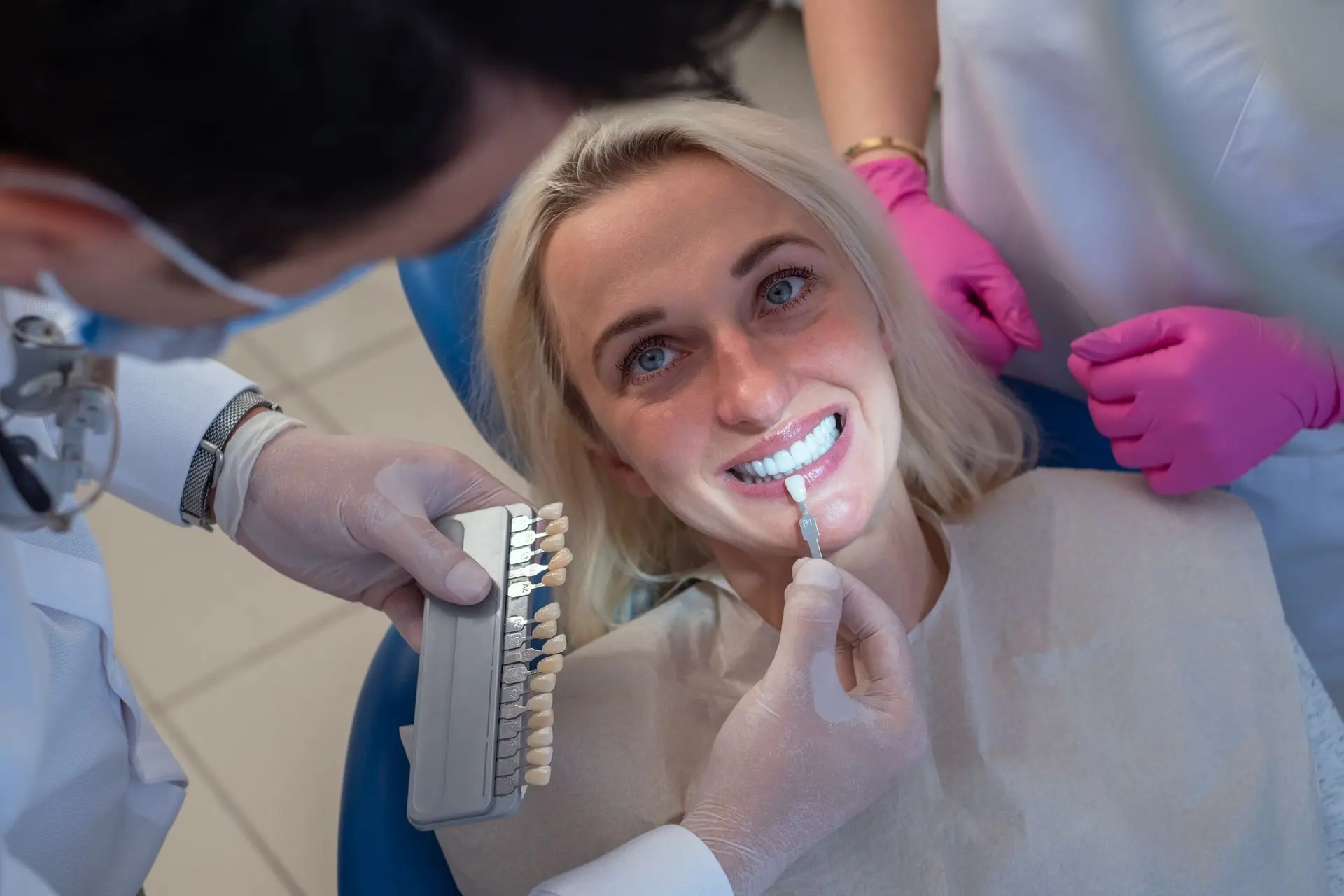
Dental Veneers: Pros and Cons of Porcelain and Composite Veneers
Comparing porcelain, composite, and Lumineer veneers — advantages, disadvantages, candidacy, and cost considerations.
Wisdom Tooth Removal: When Is Wisdom Tooth Extraction Necessary?
Not every wisdom tooth needs to come out. Here is how dentists decide which third molars to remove and which to leave alone.