
Soft-Tissue Treatment
Laser Dentistry in Aliso Viejo: What It Can and Cannot Do
A dental laser is an instrument, not a treatment philosophy. It does some soft-tissue jobs better than a blade, some no differently, and a few it should not be used for at all. This page sets out which is which.
Soft-tissue diode laser
Used for gum and soft-tissue procedures
Is Laser Dentistry Better Than Traditional Treatment?
For some soft-tissue procedures, yes — bleeding is usually reduced and sutures are often unnecessary, because the beam seals small vessels as it cuts. For others a scalpel gives a cleaner margin, and where tissue must be sent for pathology a blade is preferred, since laser energy can alter the specimen. In gum disease a laser is an adjunct to scaling and root planing, not a substitute for it. The instrument should follow the procedure.
Soft-tissue procedures · Often suture-free · An adjunct in gum care
Start with your question
What brought you to this page?
A laser is one instrument among several. Which one suits your case is decided at the examination, not in advance — these links go to the treatment, not to the tool.
My gums bleed or feel swollen
Bleeding gums point to periodontal disease, which is treated by cleaning the root surfaces. A laser may be used alongside that.
Periodontal treatmentMy smile looks gummy or uneven
Reshaping the gum line can expose more of the natural tooth. How much is safe depends on the bone underneath.
Gum contouringI want a cleaning and a check-up
Most gum problems are found and managed here, before anything more involved is needed.
Cleanings & examsSomething is painful right now
Pain, swelling or a lesion that is not healing should be looked at rather than researched.
Get urgent guidance
Does it hurt less?
Usually, but not always, and not for everyone. Many soft-tissue laser procedures need less local anesthetic than the equivalent with a blade, and post-operative swelling is often lower. That is a general tendency rather than a promise: how much discomfort you experience depends on the procedure, the site and you. We will tell you what to expect for your specific treatment rather than for the technology in general.
Nervous about treatment? Say so when you book — we'll explain what your procedure involves and go at your pace.
What a dental laser actually does
The laser we use is a soft-tissue diode laser: it delivers focused light energy that is absorbed by tissue and converted to heat. In soft tissue that lets it cut and, at the same time, seal the small vessels it passes through — which is the source of most of its genuine advantages: a drier working field, usually less bleeding, and often no need for sutures.
That same mechanism is the source of its limits. Heat affects the tissue at the margin, which is why a specimen intended for pathology should be taken with a blade, and why some sites heal better from a clean incision than from a thermal one.
My gums bleed or feel swollen. Will a laser fix that?
Not on its own. Periodontal disease is driven by bacterial deposits on the root surfaces below the gum line, and what treats it is removing those deposits — scaling and root planing, done thoroughly, followed by cleaning that you can actually maintain at home.
A laser can be used alongside that as an adjunct. It is worth being straightforward about the evidence: studies of adjunctive laser use in periodontitis have produced mixed results, and professional guidance treats it as an option rather than a standard of care. Anyone presenting a laser as a cure for gum disease is overselling the instrument.
Where a laser is the better choice
Reshaping an uneven or excessive gum line, exposing more tooth structure before a crown is made, releasing a tight lip or tongue attachment, and treating cold sores and mouth ulcers. These are soft-tissue procedures where reduced bleeding and the absence of sutures make a real difference to the appointment and to the days after it.
Where it is not
Any lesion that should be examined under a microscope — a blade preserves the margins a pathologist needs to read. Procedures involving bone. And any case where a clean surgical incision will heal more predictably than a thermal one. In this practice a laser is used for soft tissue; it is not used to prepare teeth for fillings.
Some patients are not candidates regardless of the procedure. Certain medical conditions and medications change what is appropriate, which is a question for the examination.
Not sure a laser suits you?
Book an exam — we'll tell you which instrument we'd use for your case, and why.
Online booking opens in Zocdoc.
A clear path to care
How a Laser Procedure Runs Here
Every plan is tailored to your oral health, goals, timeline, and comfort.
Examination First
Pocket depths, tissue health and the reason for treatment are assessed before any instrument is chosen.
Choosing the Instrument
Laser or blade, based on the procedure and the tissue — including whether a specimen needs to go for pathology.
Treatment
Local anesthetic as needed for the site, then the procedure itself, usually without sutures for soft tissue.
Aftercare and Review
Written aftercare, and a follow-up to check healing rather than to assume it.
Frequently Asked Questions
Laser Dentistry for South Orange County Patients
Our modern Aliso Viejo clinic at 15 Mareblu is conveniently located off CA-73 and I-5, welcoming patients from across South Orange County:
Book Your Visit Today
Same-day appointments available, and we are in-network with most major PPO plans. Call our Aliso Viejo team or book online.
Online booking opens in Zocdoc.
4.7 Rating from 275 Google ReviewsPatient education
Keep your smile moving forward
Read practical treatment guides and oral-health answers from the Aliso Viejo Family Dental Group team.
Zirconia Crowns: The Advantages, and the Trade-Offs
Is zirconia better than porcelain? How long do zirconia crowns last? A complete look at the strongest dental crown material available today.
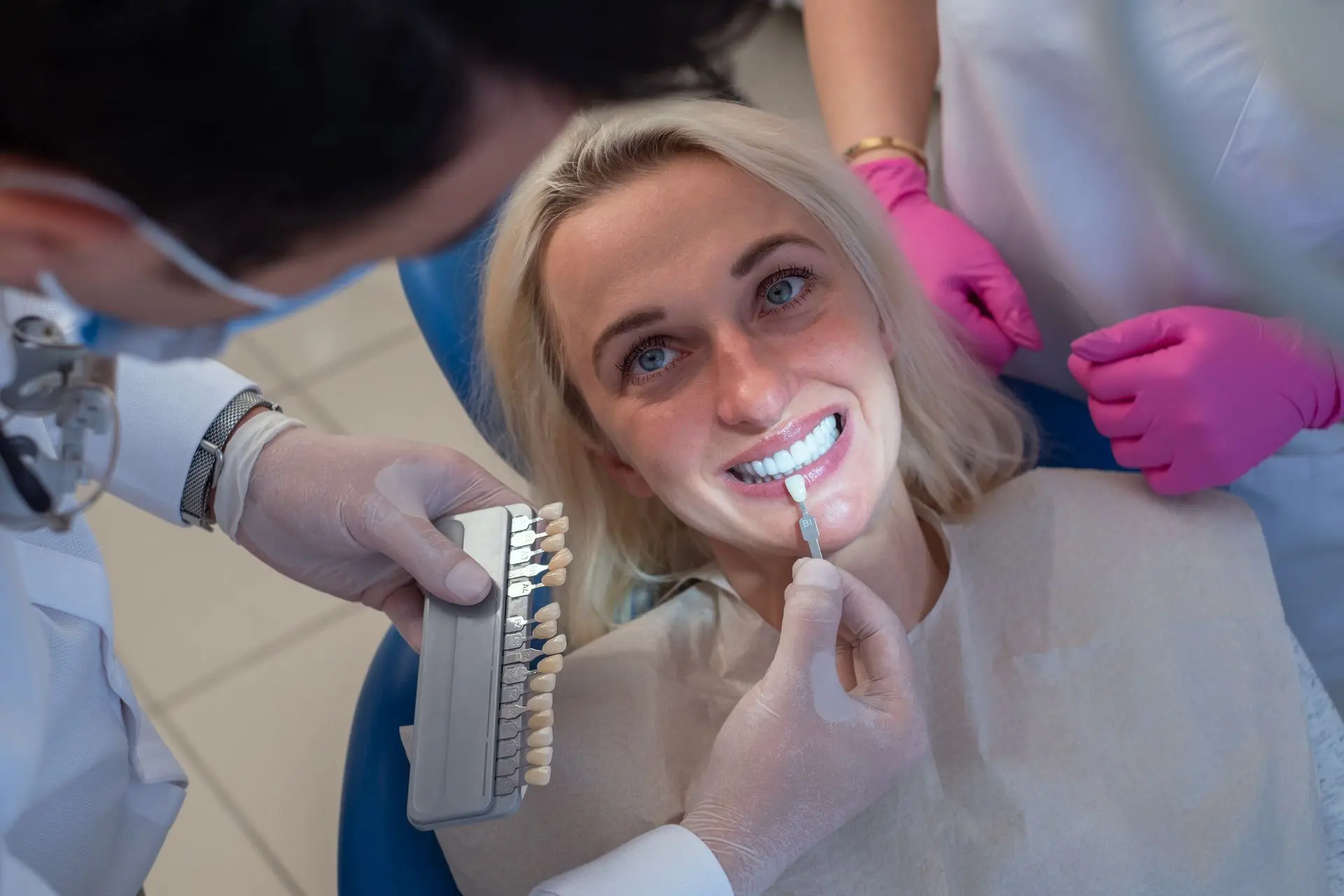
Dental Veneers: Pros and Cons of Porcelain and Composite Veneers
Comparing porcelain, composite, and Lumineer veneers — advantages, disadvantages, candidacy, and cost considerations.
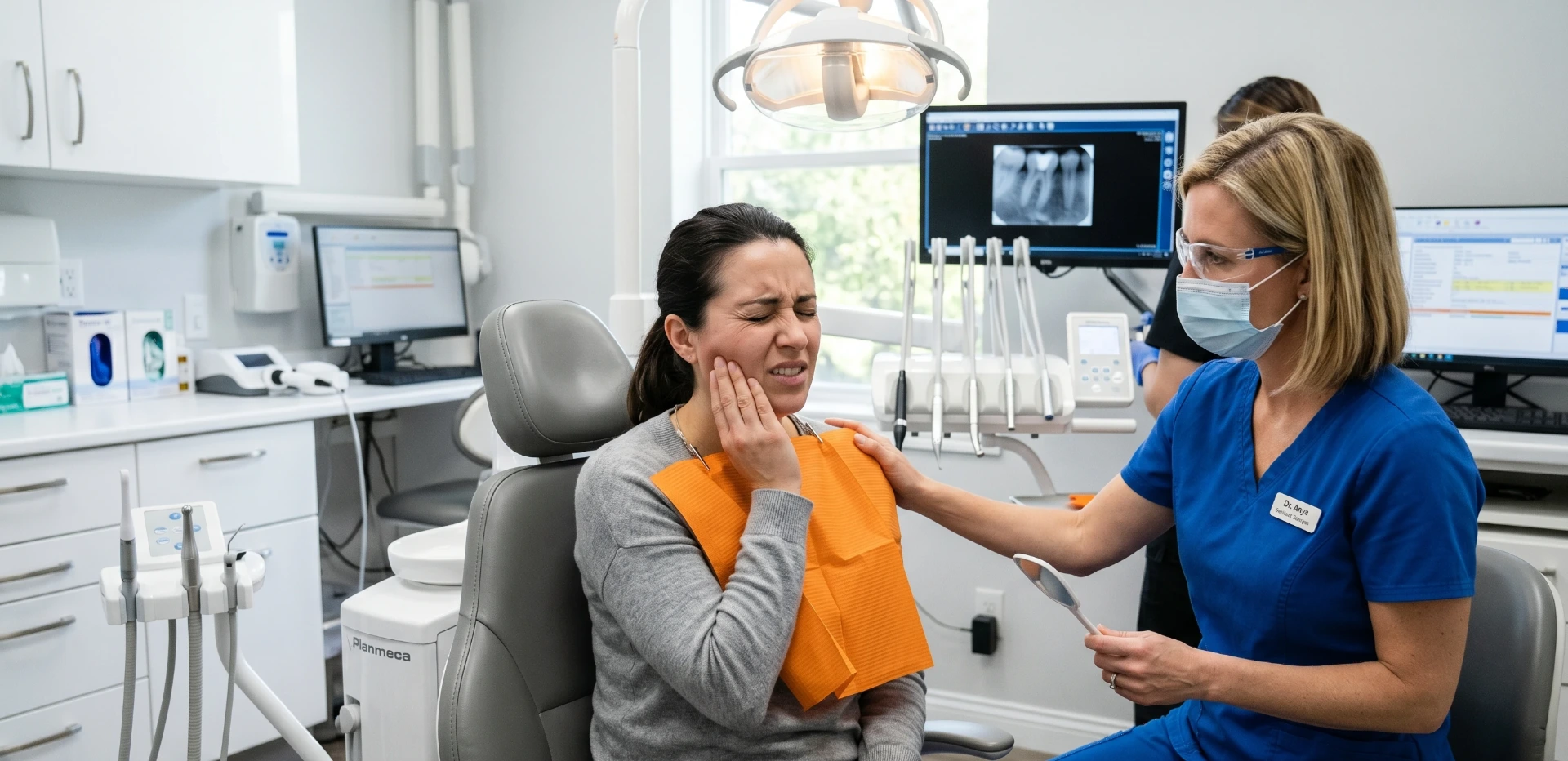
Wisdom Tooth Removal: When Is Wisdom Tooth Extraction Necessary?
Not every wisdom tooth needs to come out. Here is how dentists decide which third molars to remove and which to leave alone.